
Categories
Home & LifestylePublished November 24, 2026
Your Home Is an Extension of You

Last summer my son reintroduced me to an idea I hadn't thought about in years. In 1982, an evolutionary biologist proposed a concept that quietly changed how scientists think about genes, organisms, and the world they inhabit. His name was Richard Dawkins, and he called it the extended phenotype.
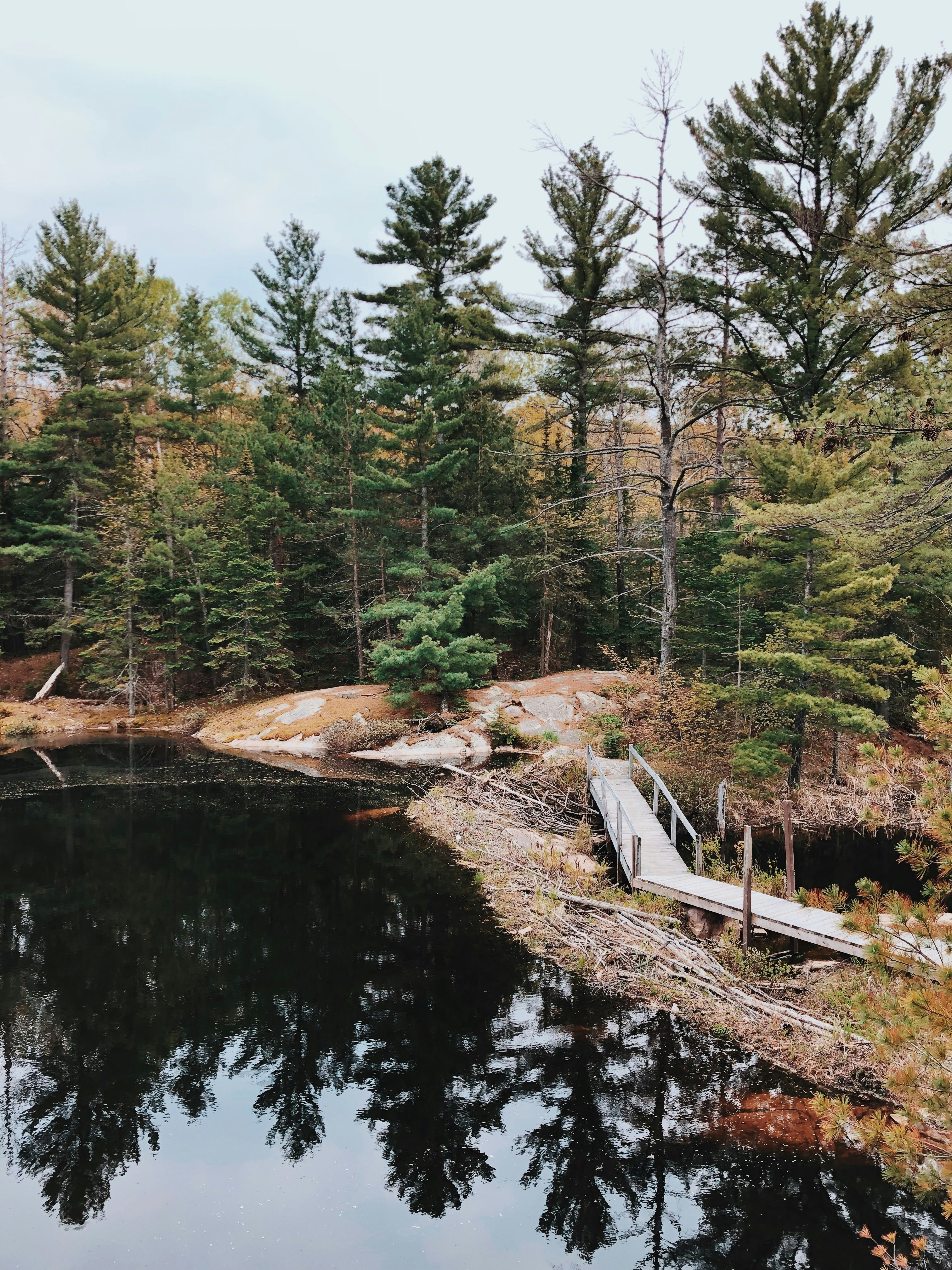
The concept is simple: a gene's influence doesn't stop at the boundary of the body. The classic example is the beaver. A beaver's dam isn't just a behavior — it's the beaver's genes reaching out into the world, reshaping the river to serve survival. A bird's nest is genetic expression made physical. The organism and its environment are not separate things. They are one continuous system.
My son Alex noticed it in the way mushrooms interact with the other plants in their ecosystem. The more time I spend helping people buy and sell homes, the more convinced I am that it applies to us, too.
We Build Ourselves Into Our Homes
Walk through enough houses and you stop seeing square footage. You start seeing how people live.
A reading nook carved into the space under the stairs. The closet with a tiny door connecting two bedrooms. The lively decor and maximalist collections we like to keep close — or the minimalist's disdain for anything that might count as clutter. The mudroom that became a command center, with the kids' names on the cubbies, hooks at just the right height, and a bench worn smooth from a thousand mornings.
These are more than renovations. They read like an autobiography.
We make choices in our homes that reveal who we are more honestly than most things we'd say out loud. Where we need more light. What we do with the garage. Whether the backyard is a garden or a playscape. The home absorbs all of us — the routines, the values, the preferences we maybe didn't even know we had until the house made them visible.
This is the extended phenotype at work. We are not separate from our homes. We extend into them.
Why This Changes How I Think About Buying and Selling
Most real estate conversations focus on the transaction: price, timing, square footage, school district. These things matter, but they're the surface.
When buyers fall in love with a house and can't quite explain why, they're often responding to someone else's extended phenotype — a previous owner who built shared values into the walls. The natural afternoon light in a room. A kitchen that fits the way they live. A neighborhood that feels like the life they're trying to build.
Finding the right home is about the structure, yes — but it's also about finding an environment that will hold who you're becoming.
When sellers leave a home they've lived in for twenty years, they're not just closing a chapter. They're leaving behind the most physical record they'll ever make of who they were. The paint colors they chose when their kids were small. The garden that took a decade to grow. The porch they sat on through every season of a relationship. It's one of the reasons selling a home is emotionally complicated in ways that selling a car never is — and one of the reasons I feel my work is never just a transaction.
The Neighborhood as Extended Phenotype
Zoom out further and the idea gets even more interesting.
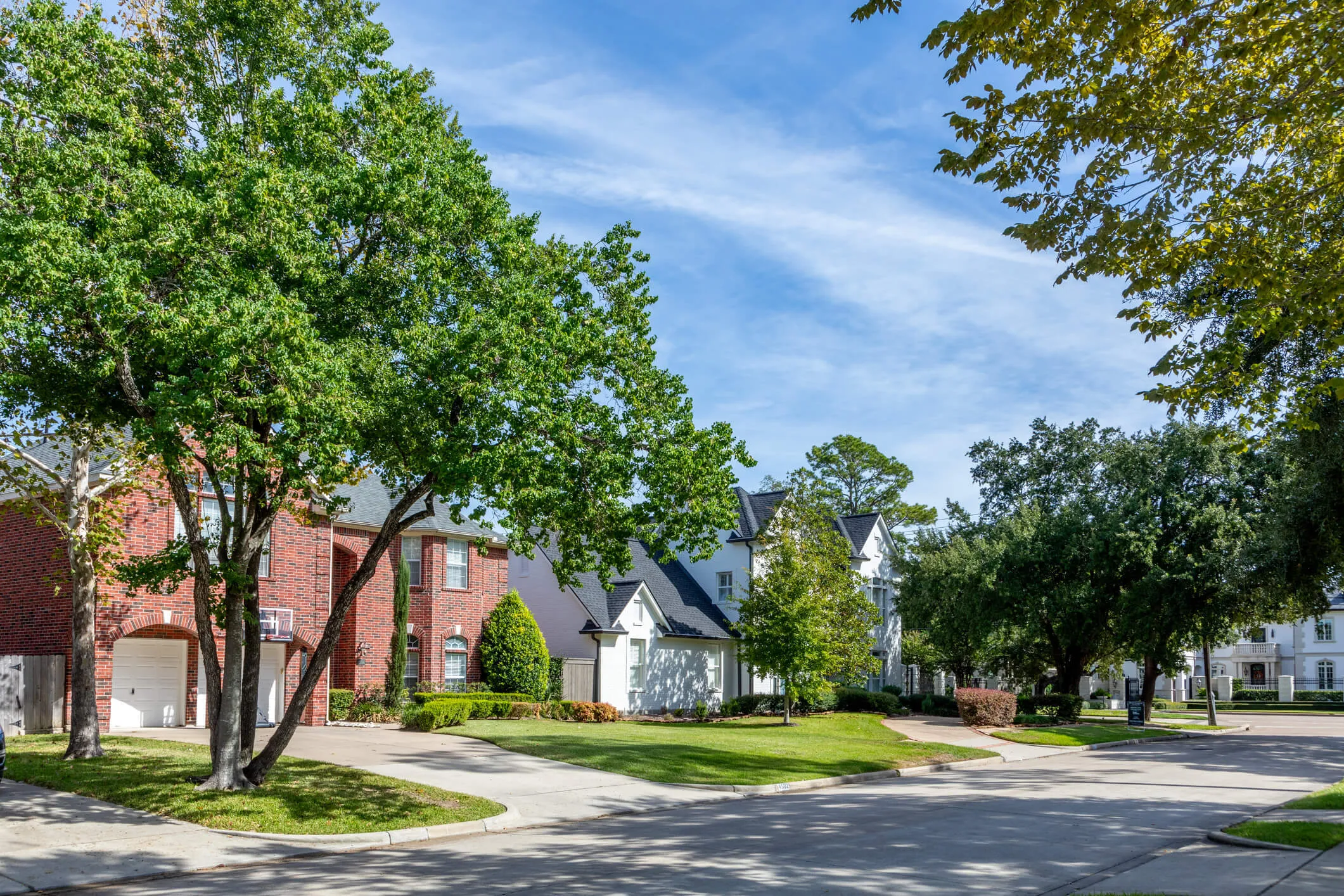
A neighborhood is a collective extended phenotype — the accumulated choices of thousands of people over decades, made physical. Walkability built on purpose. Front porches that face the street, or don't. Coffee shops that are hopping at all hours. Parks that someone fought to keep.
When people talk about wanting a neighborhood with “good energy,” or say a place “doesn't feel right,” I've noticed they're often picking up on exactly this. They're reading the extended phenotype of the people who built the place, and the ones who stayed.
That's why I suggest buyers walk a neighborhood at different times of day before making a decision. Not to check the crime statistics — to read the place and ask: does the infrastructure here support the life I want to be living?
What to Do With This
If you're a buyer, slow down in the houses that feel right and ask yourself what you're responding to. It's usually not the crown molding. It's something the previous owner built into the place — a priority, a value, a way of being at home. Notice it. It tells you something about what you're looking for.
And walk the neighborhood. Sit at the coffee shop. Drive home at rush hour. The house is a structure. The neighborhood is a life.
If you're a seller, understand that you've created something real. You've extended yourself into this place. The improvements you made, the care you put in, the small choices that made it yours — buyers feel that, even when they can't name it. Let's present your home in a way that honors what it is: not just a building, but a life well lived.
If you're an owner who isn't going anywhere, consider this permission to take your projects seriously. The home you're building is an expression of who you are. The reading nook, the garden, the kitchen that works — these aren't indulgences. They're the most honest self-portrait you'll ever make.
Dawkins was writing about beavers. But in a way, he was writing about all of us.
Angie Smith is a Michigan REALTOR® specializing in the Ann Arbor area. She works with buyers and sellers across Washtenaw County and beyond, and believes that finding the right home is as much about knowing who you are as knowing what you want.

Angie Smith
Realtor | Agent Angie Smith | Keller Williams Professionals
or another way